The Dogo Argentino, a striking and powerful breed hailing from Argentina, has captured the attention of dog enthusiasts worldwide. Known for its impressive physique, unwavering courage, and strong protective instincts, the Dogo is a breed that demands respect and responsible ownership. This comprehensive guide delves into the history, temperament, care requirements, and legal considerations surrounding the Dogo Argentino.
Contents
- 1 Origin and History: Bred for the Hunt in Argentina
- 2 Physical Characteristics: A Picture of Power and Grace
- 3 Temperament and Personality: Loyal Protector and Devoted Family Member
- 4 Care Requirements: Commitment and Consistency
- 5 Legal Considerations: Breed-Specific Legislation (BSL)
- 6 Finding a Responsible Breeder or Rescue Organization
- 7 The Dogo Argentino in Vietnam and Thủ Dầu Một
- 8 Conclusion: A Rewarding Partnership for the Right Owner
Origin and History: Bred for the Hunt in Argentina
The Dogo Argentino’s story begins in the Córdoba province of Argentina in the 1920s. Dr. Antonio Nores Martínez, a passionate breeder, set out to create a fearless and capable big-game hunting dog. His vision led to the deliberate crossing of various breeds, including the now-extinct Old Cordovan Fighting Dog, Great Dane, Boxer, Spanish Mastiff, English Pointer, Bull Terrier, Irish Wolfhound, and Dogue de Bordeaux.
The result was a powerful, agile, and intelligent dog with a pure white coat, capable of tracking and holding formidable prey like wild boar and puma. The Dogo Argentino quickly gained recognition for its hunting prowess and loyalty, becoming a national breed of Argentina.
Physical Characteristics: A Picture of Power and Grace
The Dogo Argentino is a large and muscular breed with a distinctive appearance:
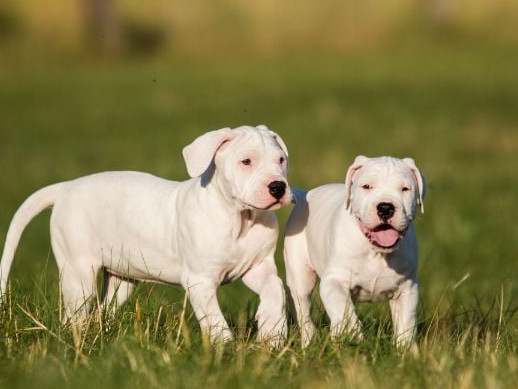
- Build: Well-proportioned and athletic, with a deep chest and strong, straight legs. Their muscularity is evident throughout their body.
- Size: Males typically stand 24 to 27 inches (61 to 69 cm) tall at the shoulder and weigh between 80 to 100 pounds (36 to 45 kg). Females are slightly smaller, ranging from 24 to 26 inches (61 to 66 cm) and weighing 75 to 95 pounds (34 to 43 kg).
- Coat: Short, dense, and smooth, always pure white. A small black or dark-colored spot on the head is permitted but not preferred.
- Head: Large and powerful, with a slightly domed skull and a strong jawline. The muzzle is slightly shorter than the skull.
- Ears: Traditionally cropped to stand erect, but uncropped ears are also acceptable.
- Eyes: Dark brown or hazel, conveying alertness and intelligence.
Temperament and Personality: Loyal Protector and Devoted Family Member
The Dogo Argentino, when properly bred and socialized, possesses a complex and rewarding temperament:
- Loyalty: Deeply devoted to their family, forming strong bonds with their human pack.
- Protective Instincts: Naturally protective of their home and family, making them excellent watchdogs.
- Courage: Fearless and determined, a trait that made them successful hunters.
- Intelligence: Highly intelligent and trainable, but can also be independent.
- Socialization is Crucial: Early and ongoing socialization with people and other animals is absolutely essential to ensure a well-adjusted and stable temperament. Without proper socialization, their strong protective instincts and potential for territorial behavior can become problematic.
- Not a Breed for Everyone: Due to their power, strong will, and potential for aggression if mishandled, the Dogo Argentino is not recommended for novice owners or those unable to provide consistent training and leadership.
Care Requirements: Commitment and Consistency
Owning a Dogo Argentino requires a significant commitment of time, energy, and resources:
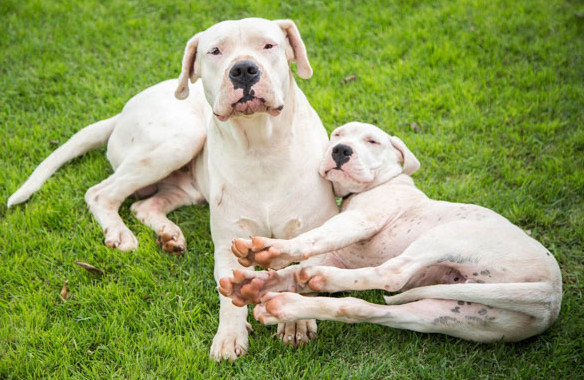
- Exercise: This high-energy breed needs plenty of exercise to stay physically and mentally healthy. Daily walks, runs, and opportunities to play in a secure, fenced yard are crucial.
- Training: Early and consistent obedience training is non-negotiable. Dogos respond well to positive reinforcement methods but require a firm and confident handler.
- Socialization: As mentioned earlier, extensive socialization from a young age is paramount to prevent aggression and fearfulness. Expose your Dogo to a variety of sights, sounds, people, and other animals in a controlled and positive manner.
- Grooming: The short coat requires minimal grooming. Regular brushing will help remove loose hair and keep their coat healthy.
- Health: While generally a healthy breed, Dogos can be prone to certain health issues, including hip and elbow dysplasia, deafness (especially in puppies with excessive white markings), and skin problems. Regular veterinary check-ups are essential for early detection and prevention.
- Nutrition: A high-quality diet appropriate for their age, size, and activity level is crucial for maintaining their health and muscle mass.
Legal Considerations: Breed-Specific Legislation (BSL)
It is important for potential Dogo Argentino owners in Thủ Dầu Một, Binh Duong, Vietnam, and anywhere else, to be aware of local laws and regulations regarding dog ownership. The Dogo Argentino is sometimes subject to Breed-Specific Legislation (BSL) in certain regions and countries due to its powerful build and potential for aggression if not properly trained and handled.
BSL can include restrictions such as mandatory muzzling in public, specific housing requirements, increased insurance premiums, or even outright bans on owning the breed. It is the sole responsibility of the owner to research and comply with all local laws and ordinances regarding Dogo Argentinos. Failure to do so can result in fines, legal action, and the potential seizure of your dog.
Finding a Responsible Breeder or Rescue Organization
If you are considering adding a Dogo Argentino to your family, it is crucial to obtain your dog from a reputable source:
- Responsible Breeders: Look for breeders who prioritize the health and temperament of their dogs. They should conduct health testing on their breeding stock (e.g., hip and elbow scoring, BAER testing for hearing) and be knowledgeable about the breed. Be prepared to answer their questions about your experience and lifestyle, as responsible breeders want to ensure their puppies go to suitable homes.
- Rescue Organizations: While less common due to breed-specific challenges, there may be rescue organizations that occasionally have Dogos available for adoption. Be prepared for a thorough screening process, as these organizations prioritize finding the right match for the dog.
Avoid purchasing puppies from puppy mills or backyard breeders who prioritize profit over the health and temperament of their dogs. These dogs are often poorly socialized and may suffer from genetic health issues.
The Dogo Argentino in Vietnam and Thủ Dầu Một
While specific data on the popularity of the Dogo Argentino in Thủ Dầu Một, Binh Duong, Vietnam may be limited, the breed’s striking appearance and protective nature may appeal to some dog enthusiasts. However, given the breed’s specific needs and potential legal restrictions, careful consideration is paramount before bringing a Dogo Argentino into your home in this region.
Potential owners should connect with local veterinary professionals and animal welfare organizations in Thủ Dầu Một to inquire about any specific regulations or concerns regarding the breed in the area.
Conclusion: A Rewarding Partnership for the Right Owner
The Dogo Argentino is a magnificent and powerful breed that can be a loyal and devoted companion in the right hands. However, their strength, protective instincts, and potential for aggression necessitate responsible ownership, including thorough socialization, consistent training, and a commitment to meeting their high exercise needs.
Before considering a Dogo Argentino, carefully evaluate your lifestyle, experience with powerful breeds, and ability to provide the necessary care and leadership. Understanding and adhering to local regulations is also crucial. For the dedicated and responsible owner, the Dogo Argentino can be a truly rewarding and cherished member of the family.